

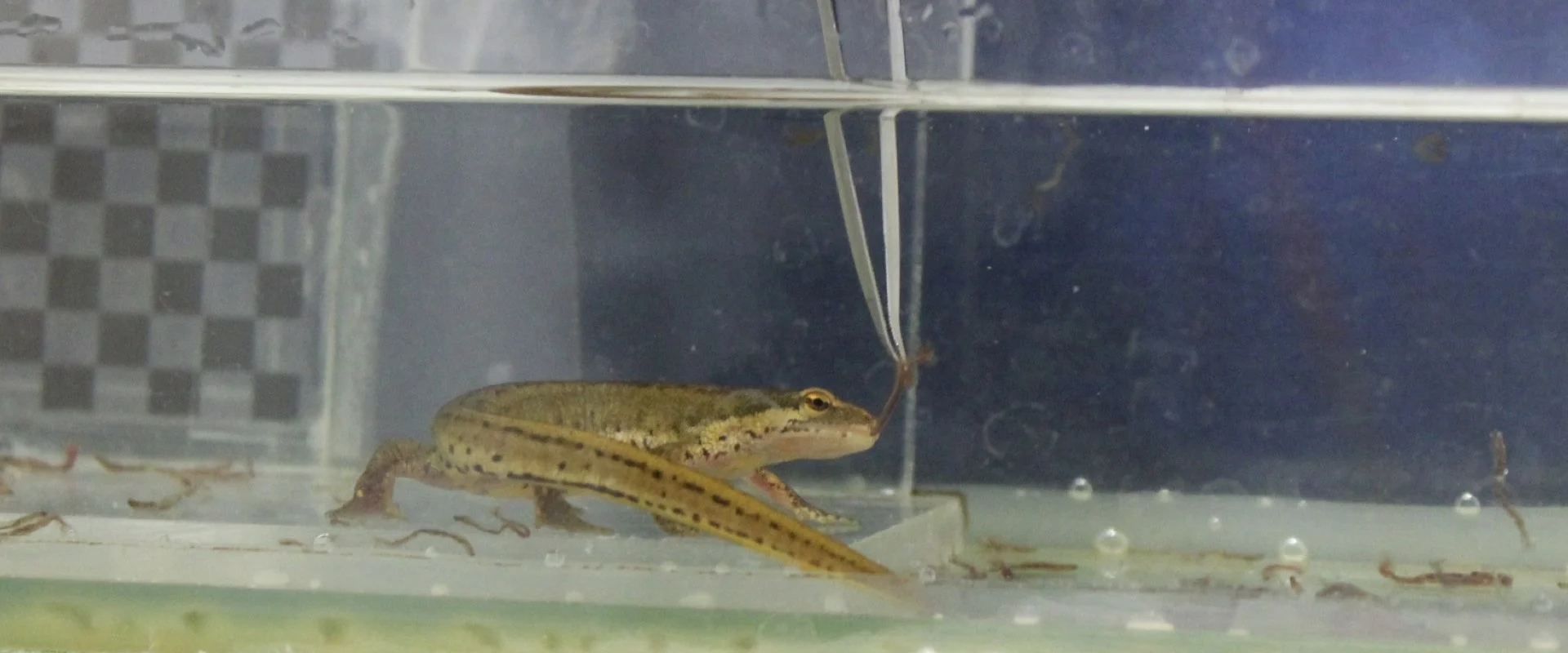
Larvae vs. metamorphs of the Iberian ribbed newt: to each their own strengths, despite a head makeover
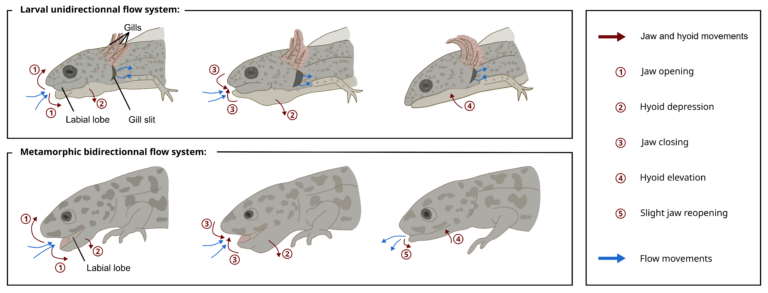
Metamorphosis can have a high cost for animals since during the transition, an organism can become weaker and more vulnerable to predators. But there are benefits of metamorphosis that may outweigh the costs. Here we share the findings of our new study, published in Biology Open, investigating the impact of metamorphosis and size on the aquatic feeding kinematics of the Iberian ribbed newt.
Creature of Darkness vs. Creature of Light: Who hunts best?
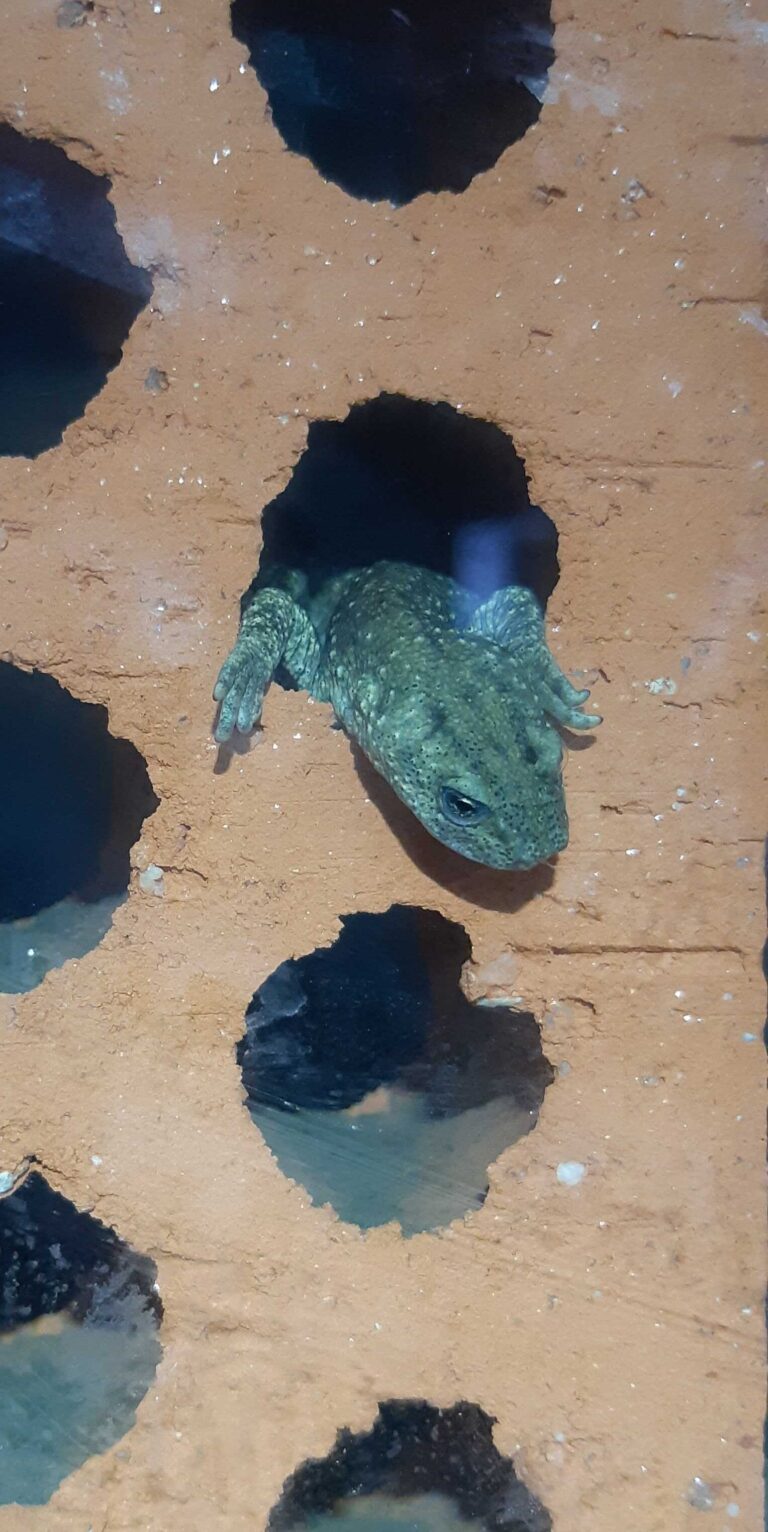
Do you remember when we filmed prey-capture sequences of olms and Pyrenean brook newts at the Moulis Laboratory Cave? Here we share results of those and new experiments, just published in the Journal of Experimental Zoology Part A.
Two life cycles, one species: the Alpine newt in all its forms
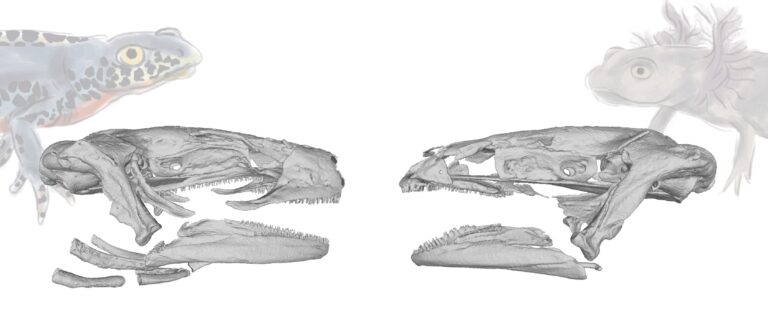
During its life, the Alpine newt, like many amphibians, goes through several stages. These different stages are associated with significant morphological changes. However, not all populations of the Alpine newt follow this pattern...
Muscle sizes are not one size fits all
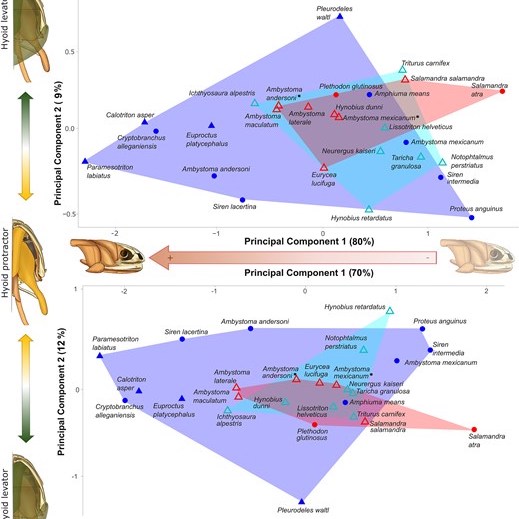
Muscles power the movements that we rely on for everyday life (e.g., walking, running, eating, picking up objects, and many more). But say we were to evolve to live in a different environment or to grow up in a different way, say without passing through puberty or staying as an adolescent all our life...
Do salamanders’ table manners change when food is served with tweezers?
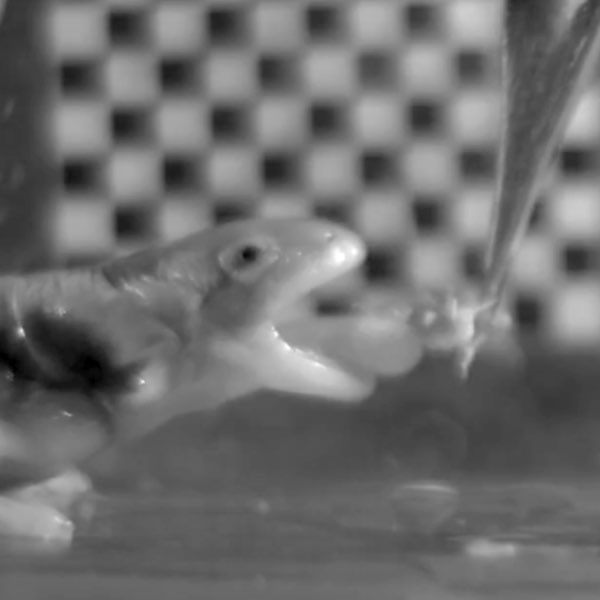
This blog post summarizes our paper entitled Testing the Impact of Prey Presentation Method on the Feeding Kinematics of Terrestrial and Aquatic Ambystomatidae published in Journal of experimental Zoology – Part A Standardizing prey capture records is a tricky task!…
Is adulthood just an illusion? The impact of size and ontogeny on suction feeding kinematics in the axolotl (Ambystoma mexicanum).
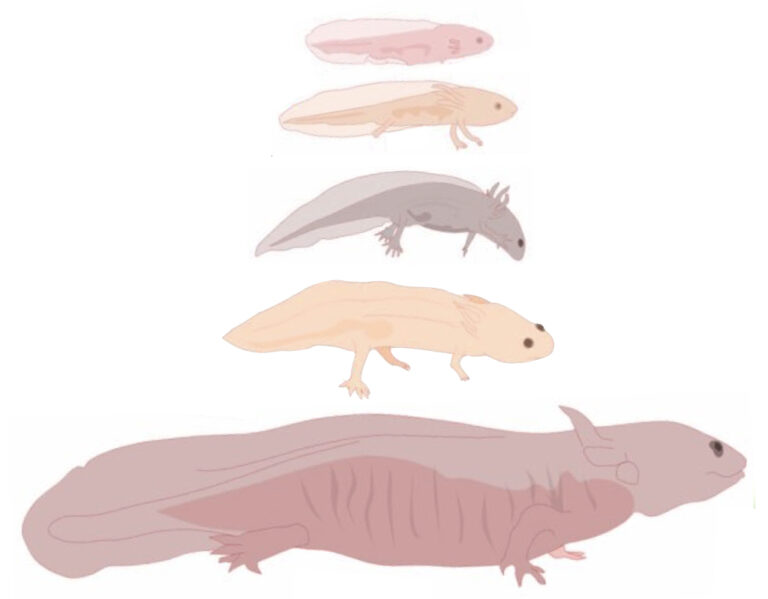
This blog post summarizes our recently published paper in Biology Open, in which we explored how size and developmental stage affected the feeding kinematics of larval, juvenile and adult Ambystoma mexicanum (axolotl). Peadomorphic species: are the adults just big larvae?…
The role of metamorphosis in morphological and functional diversity in Caudata
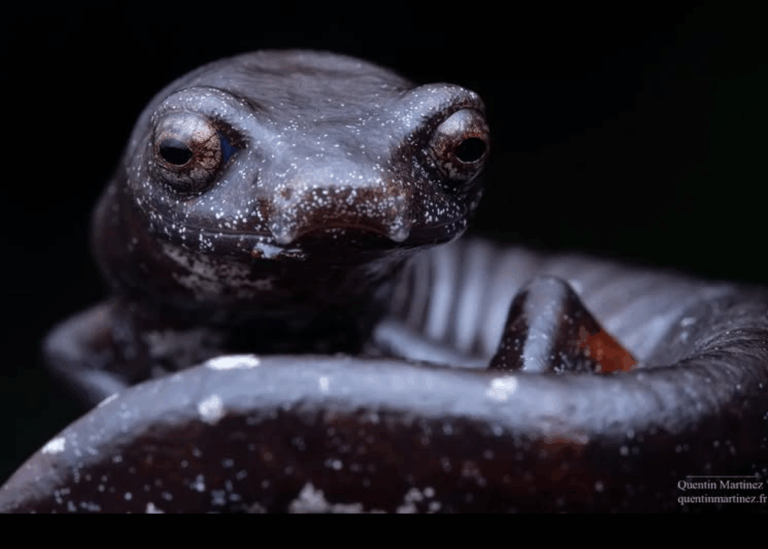
In our latest paper, we explore how variation in metamorphosis — the dramatic body transformation that some animals undergo — plays a major role in shaping lower jaw diversity among salamanders and newts. Metamorphosis is a spectacular developmental process, marked…
Lower jaw modularity in the African clawed frog and fire salamander
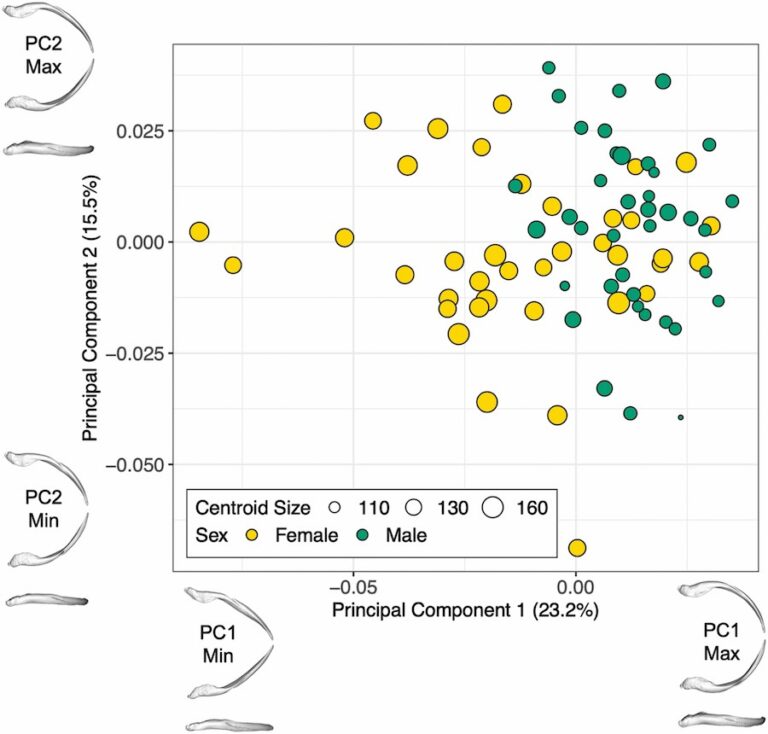
From CT scans of 100 lower jaws from African clawed frogs and fire salamanders, we answer the question of whether the amphibian lower jaw evolves as a single unit or evolves with different modules evolving in different ways.
How do we prepare specimens for scanning?
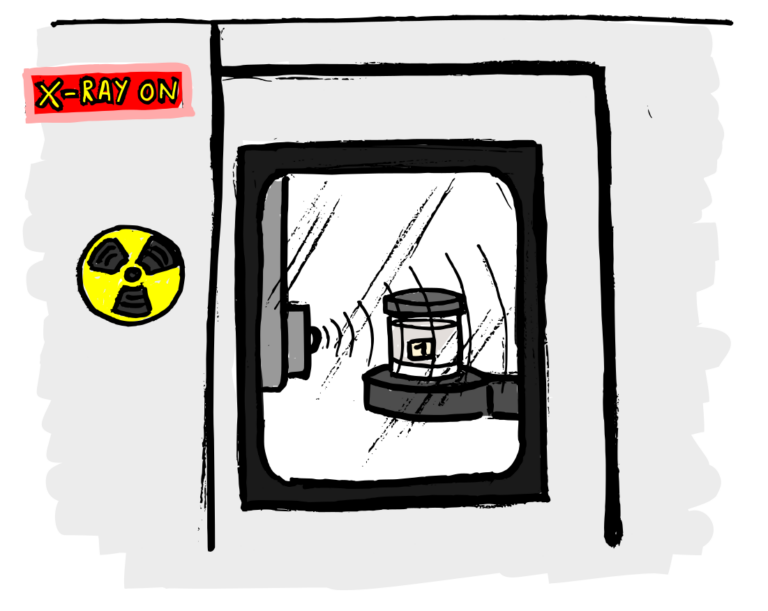
In order to observe the precise morphology of the head bones, we use a micro-computed tomography (micro-CT scanner). This is a 3D imaging technique using x-rays to see inside an object, slice by slice. For our project, we need to…
Cranial anatomy of a larval Shovelnose salamander (Desmognathus marmoratus)
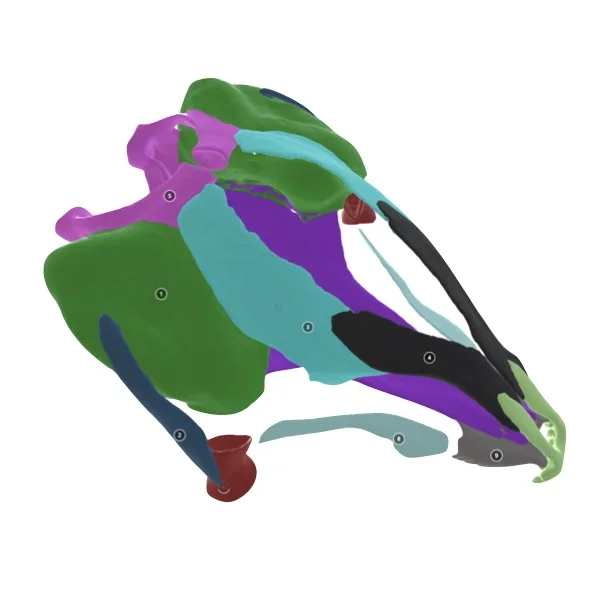
Check out this interactive, labeled Sketchfab model of a larval Shovelnose salamander (Desmognathus marmoratus) cranial skeleton.
When shapes become data
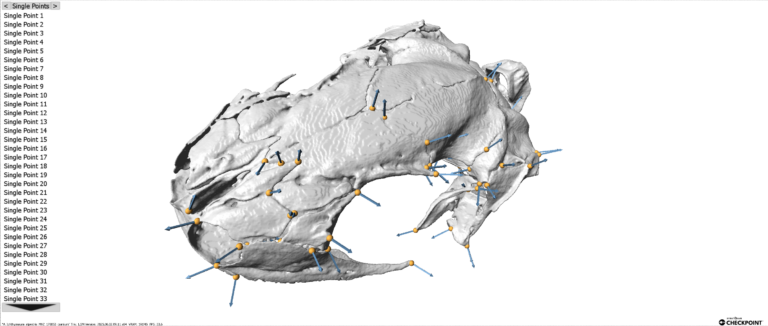
CT scans are a treasure trove of morphological data, particularly for the skeletal system. In this post we share how we use open-source software to collect landmarks and semilandmarks from CT data.
Metamorphosis shapes cranial diversity and rate of evolution in salamanders
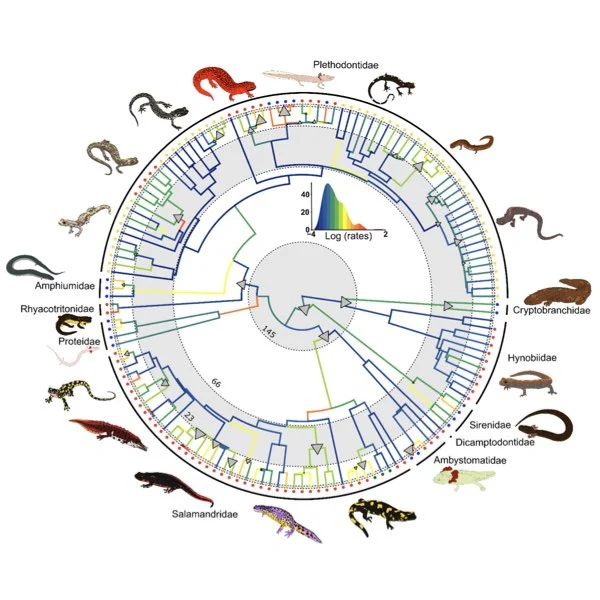
Reconstructing the cranial evolution of the salamander using geometric morphometric data from 148 species, we demonstrate that life cycle influences cranial shape diversity and rate of evolution.

