


Larvae vs. metamorphs of the Iberian ribbed newt: to each their own strengths, despite a head makeover
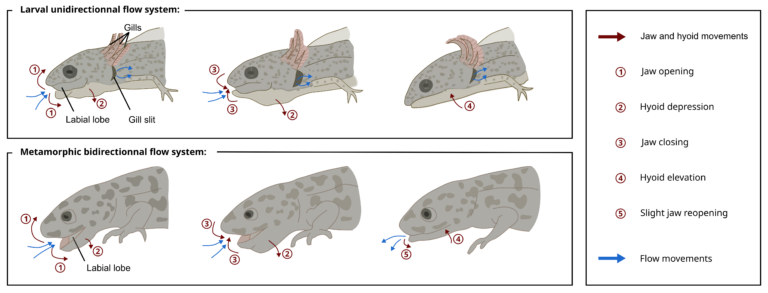
Metamorphosis can have a high cost for animals since during the transition, an organism can become weaker and more vulnerable to predators. But there are benefits of metamorphosis that may outweigh the costs. Here we share the findings of our new study, published in Biology Open, investigating the impact of metamorphosis and size on the aquatic feeding kinematics of the Iberian ribbed newt.
Creature of Darkness vs. Creature of Light: Who hunts best?
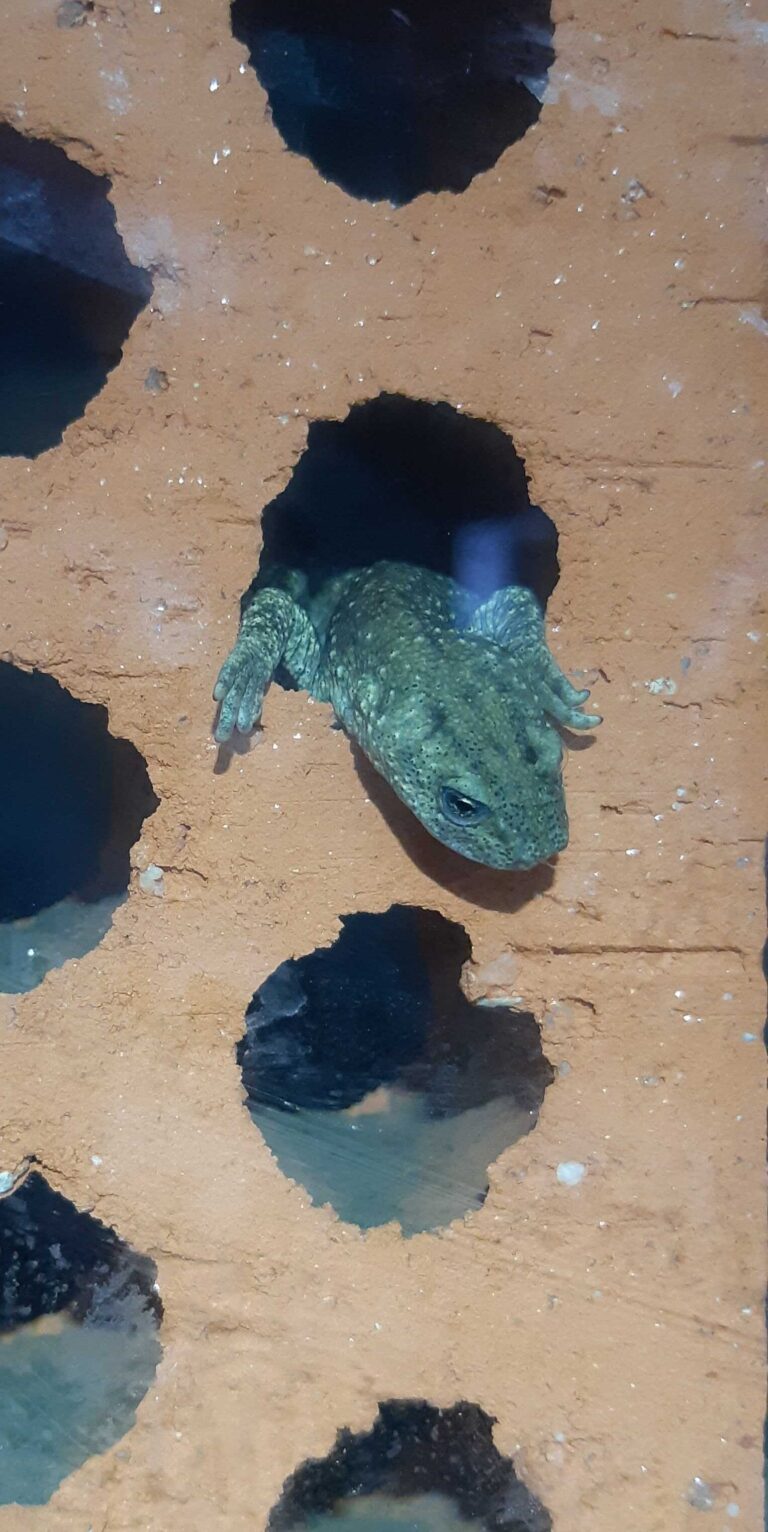
Do you remember when we filmed prey-capture sequences of olms and Pyrenean brook newts at the Moulis Laboratory Cave? Here we share results of those and new experiments, just published in the Journal of Experimental Zoology Part A.
Two life cycles, one species: the Alpine newt in all its forms
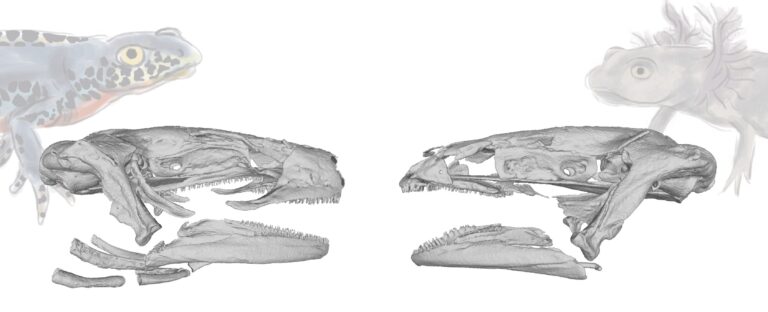
During its life, the Alpine newt, like many amphibians, goes through several stages. These different stages are associated with significant morphological changes. However, not all populations of the Alpine newt follow this pattern...
Muscle sizes are not one size fits all
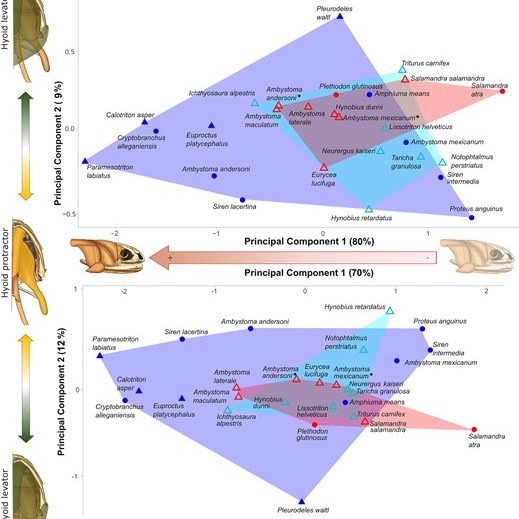
Muscles power the movements that we rely on for everyday life (e.g., walking, running, eating, picking up objects, and many more). But say we were to evolve to live in a different environment or to grow up in a different way, say without passing through puberty or staying as an adolescent all our life...
Do salamanders’ table manners change when food is served with tweezers?
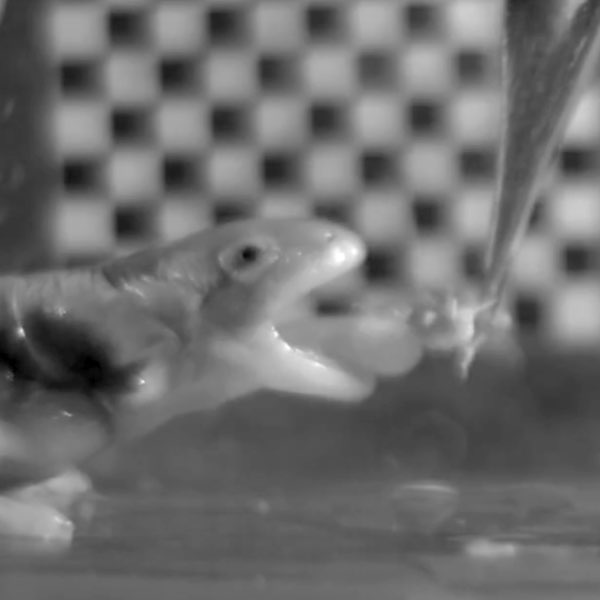
This blog post summarizes our paper entitled Testing the Impact of Prey Presentation Method on the Feeding Kinematics of Terrestrial and Aquatic Ambystomatidae published in Journal of experimental Zoology – Part A Standardizing prey capture records is a tricky task!…
Is adulthood just an illusion? The impact of size and ontogeny on suction feeding kinematics in the axolotl (Ambystoma mexicanum).
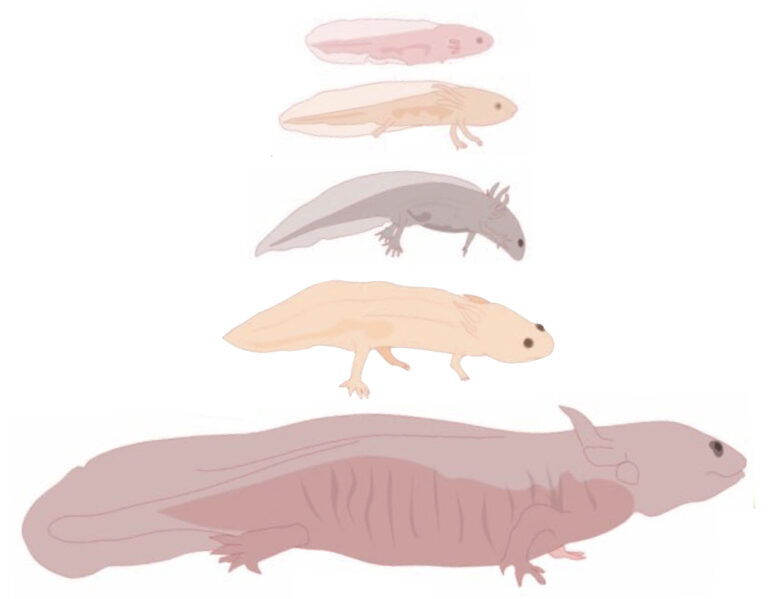
This blog post summarizes our recently published paper in Biology Open, in which we explored how size and developmental stage affected the feeding kinematics of larval, juvenile and adult Ambystoma mexicanum (axolotl). Peadomorphic species: are the adults just big larvae?…
Meta-Morphosis the project! A Documentary Video

Patricia Teixidor interviews the Meta-morphosis team for an in-depth explanation of the project and its relevance to amphibian conservation, including a behind-the-scenes look at the collections and science laboratories at the Natural History Museum of Bern.
Day trip to the Ozarks, Arkansas: Exploring the rich diversity of salamanders in the wild
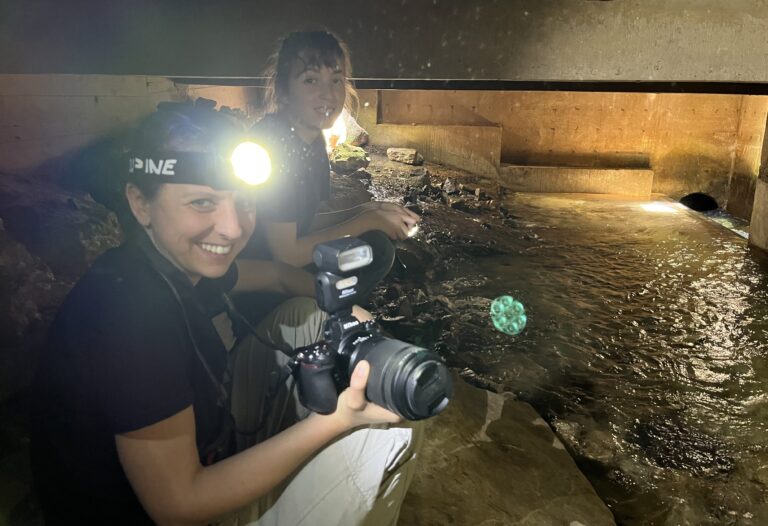
Photos from our field trip in the Ozarks of Arkansas, where in a single day we encountered more than seven species of salamanders.
Epic fail from the cutest and hungriest salamander ever!
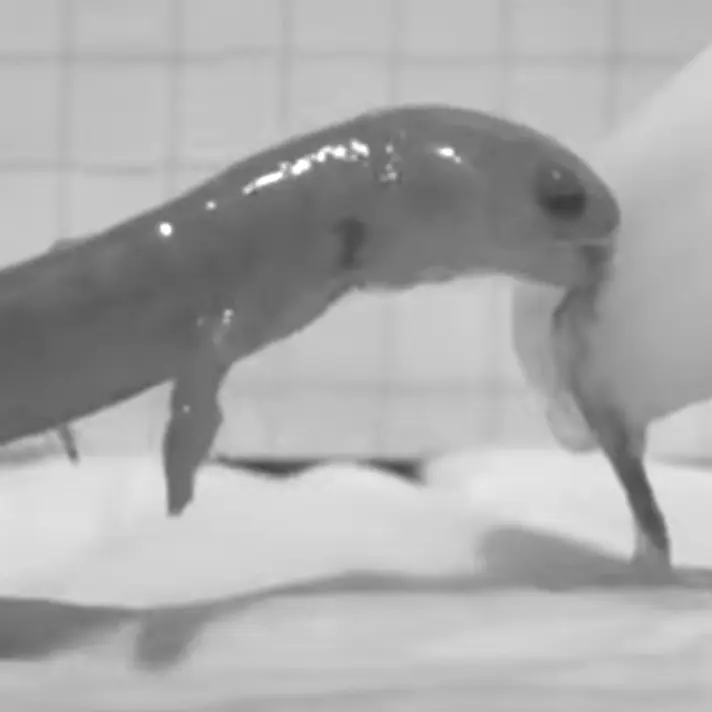
Watch this salamander attempt and fail (twice!) to catch its food.
What is your spirit salamander?

Take an interactive quiz to determine which species of salamander is your spirit animal!
Axolotls at different stages of ontogeny before and after Deeplabcut

Axolotls at different stages of ontogeny, including suction feeding underwater, before and after applying Deeplabcut for automated feature tracking.
Chasing dragons in a laboratory cave
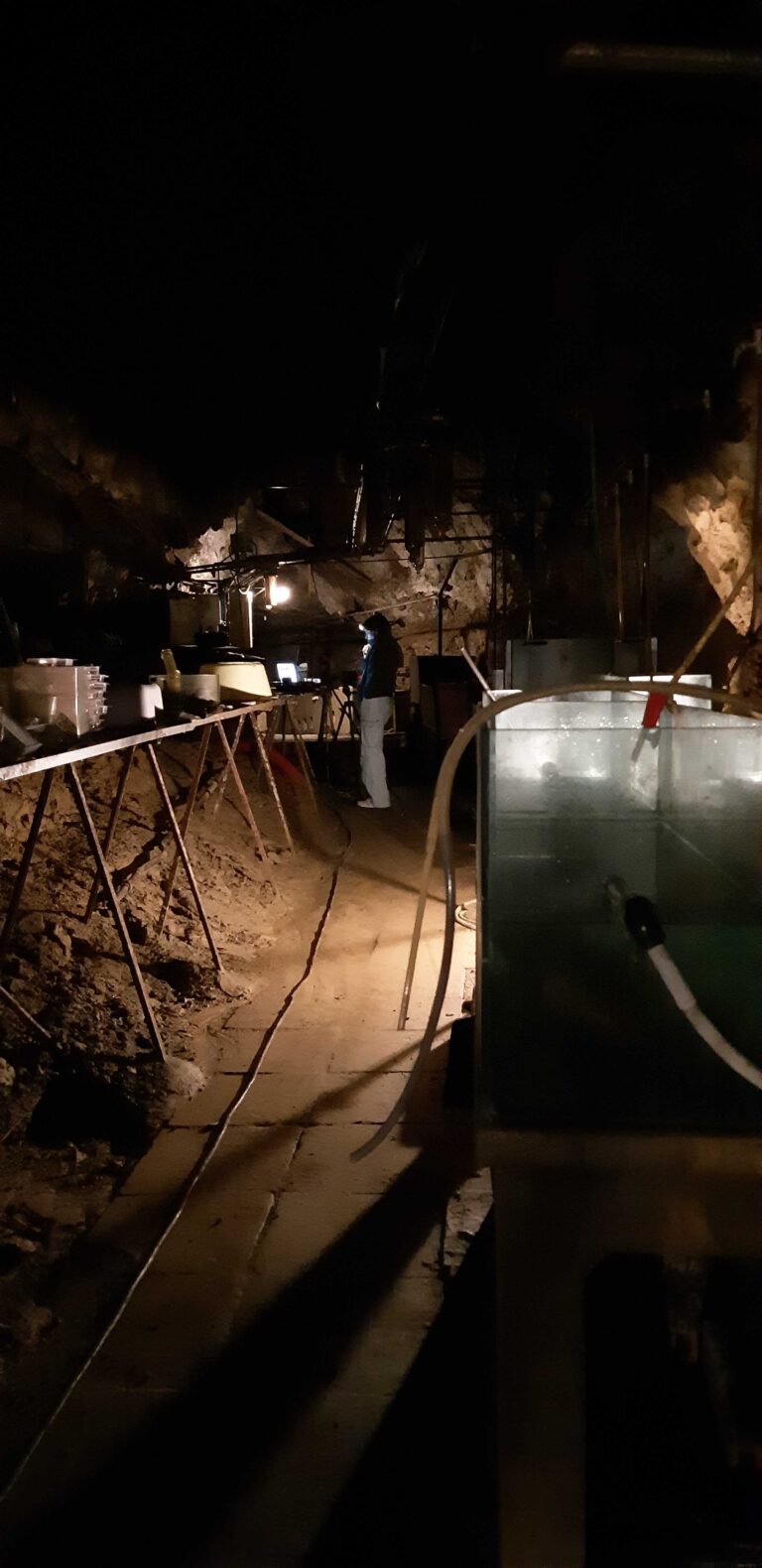
Do you like caving ? In early September, Anthony Herrel and I went to Moulis (Ariège, France) to visit the CNRS laboratory cave part of the SETE, hosted by our collaborator Olivier Guillaume, without whom this would not have been…

